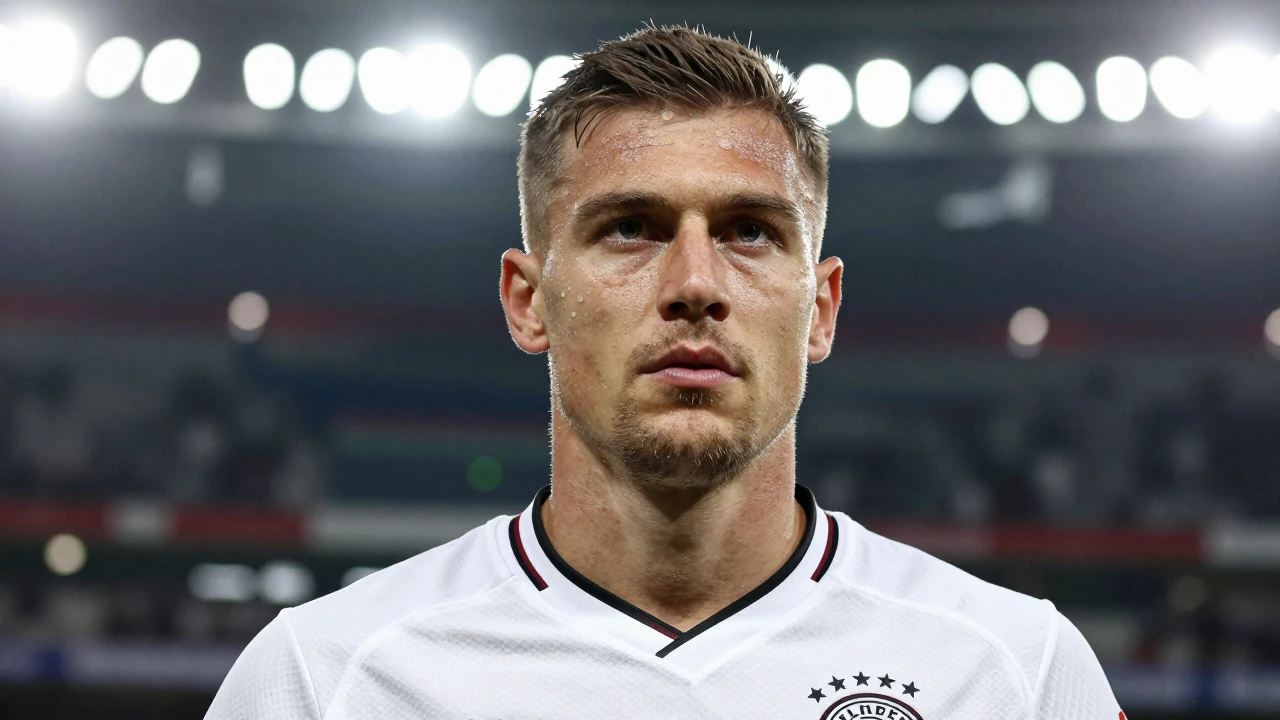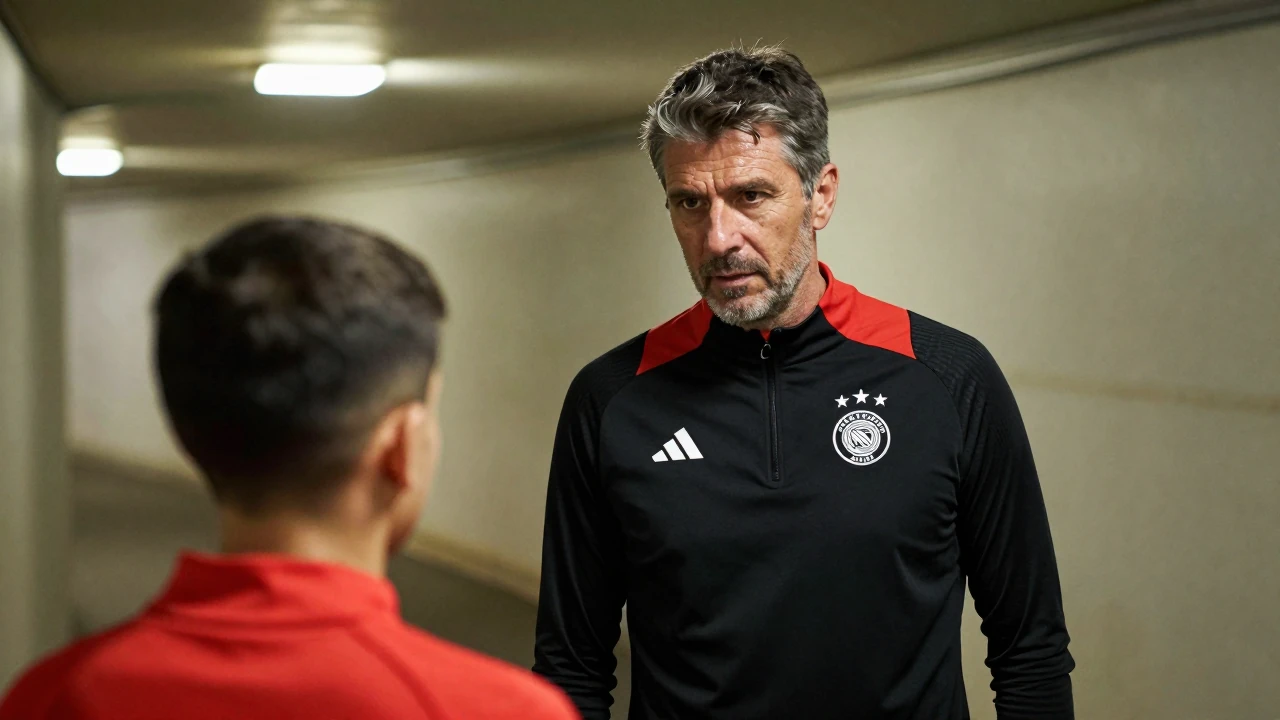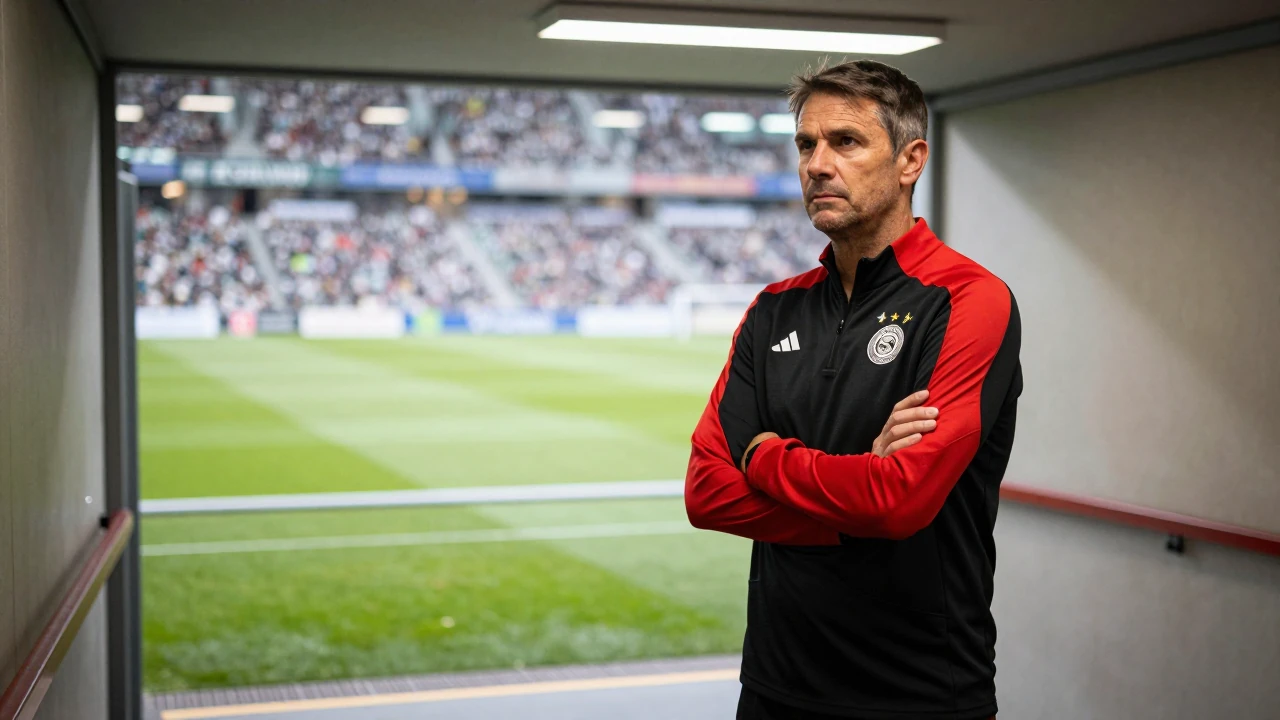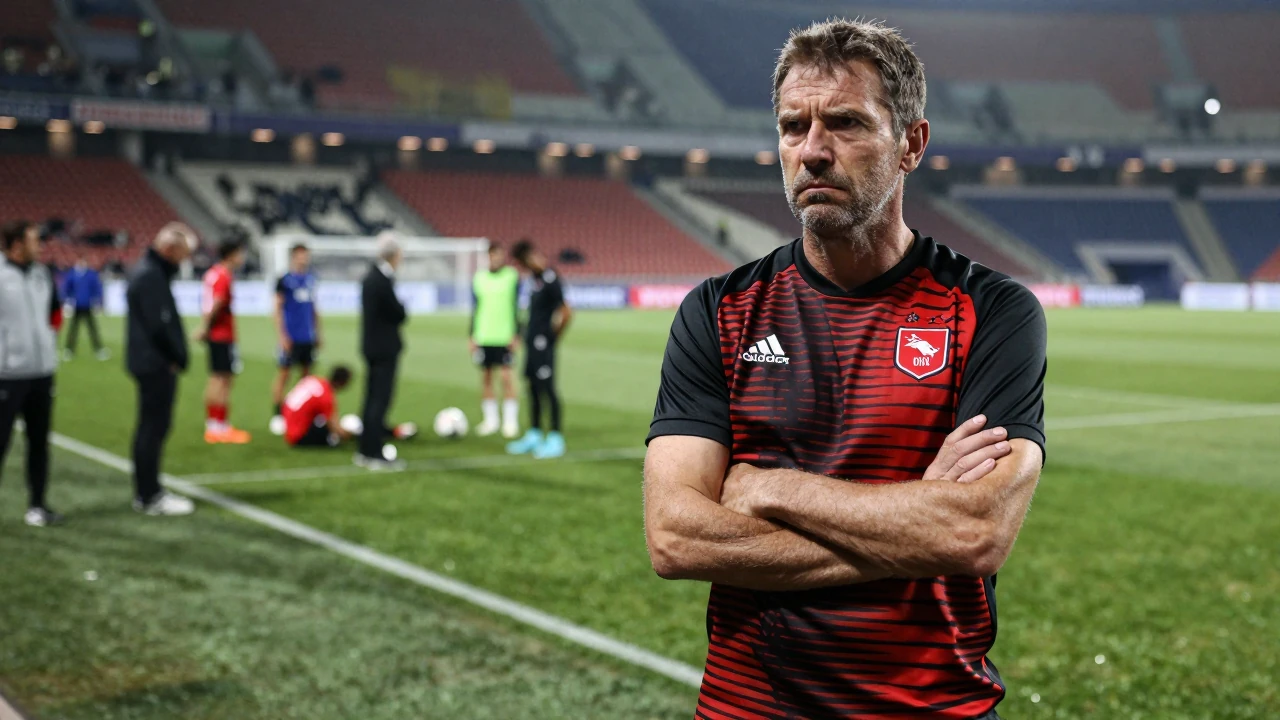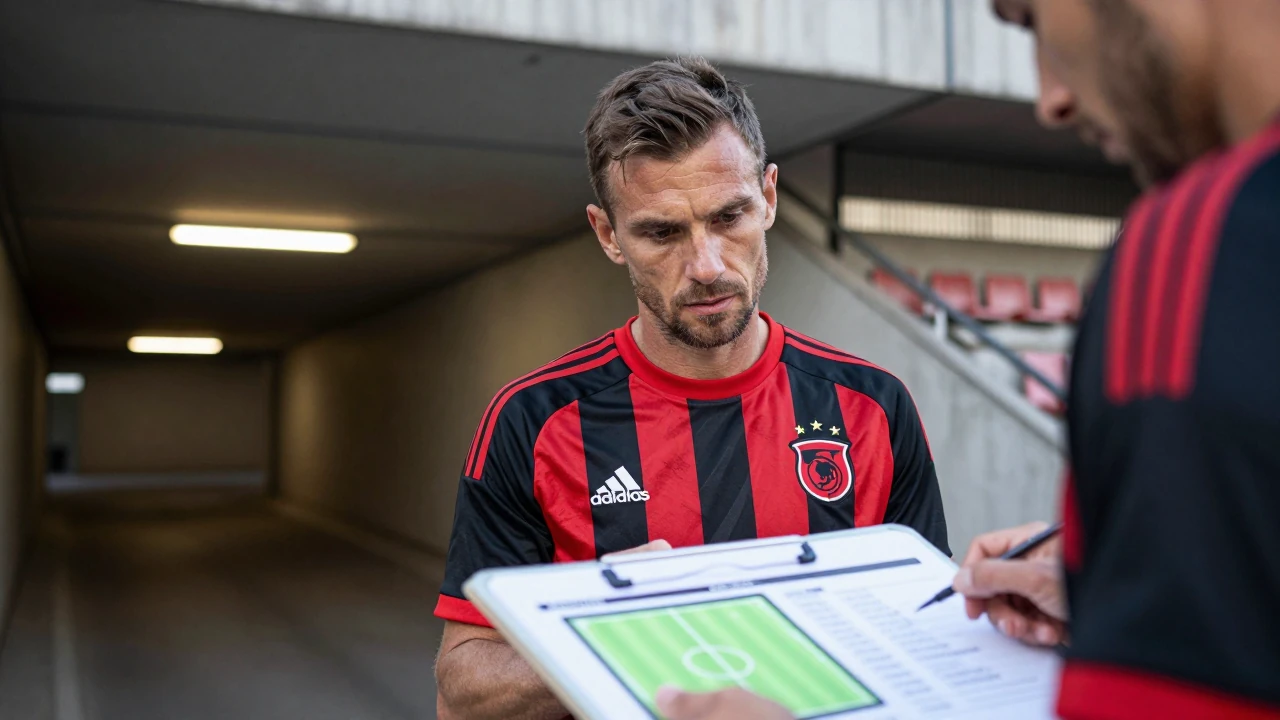

Germany's national team is being tipped as a dark horse for the 2026 FIFA World Cup. This assessment comes from a recent analysis by Squawka, which examined the team's rebuilding process under head coach Julian Nagelsmann. Germany currently tops its World Cup qualifying group with 6 points from three matches, having scored 10 goals and conceded 4. Their most recent result was a 1-1 draw against Paraguay on June 29, 2026.
Why is Germany considered a dark horse?
The underdog label stems from recent tournament history. Following the 2014 World Cup triumph, the team suffered group-stage exits at both the 2018 and 2022 tournaments, including a shocking 2-0 loss to South Korea in 2018. A quarter-final defeat to eventual champions Spain at Euro 2024 confirmed a period of transition. A fourth-place finish in the 2023 Nations League and a 2-0 World Cup qualifying loss to Slovakia highlighted the depths of the struggle.
How has the team developed since then?
Nagelsmann's side has built noticeable consistency. After the Slovakia defeat, Germany won five consecutive World Cup qualifiers, keeping four clean sheets. They emphatically turned the tables with a 6-0 victory over Slovakia in the group decider. This defensive solidity is a cornerstone. The team's recent form across the last five matches shows three wins, one draw, and one loss (DLWWW). The next challenge is an away fixture against the Netherlands on September 24, 2026.
Who are the key players in the squad?
Nagelsmann blends experienced leaders with promising youth. Captain Joshua Kimmich has over 100 caps, alongside seasoned internationals like Leon Goretzka, Antonio Rudiger, and Leroy Sane. Goalkeeper Marc-Andre ter Stegen and forward Serge Gnabry are key figures. The new generation includes Florian Wirtz and Karim Adeyemi, while players like Nick Woltemade, Malick Thiaw, and Aleksandar Pavlovic have fewer than ten caps each. A detailed view of the current player pool is available on our squad page.
Where does the attacking threat come from?
Goal scoring had become a major issue. Between 2002 and 2014, Germany netted 62 times in 28 World Cup matches, but only managed 8 goals in 6 games since 2014. A 4-2 win over Costa Rica in 2022 was a rare bright spot. The current crop of forwards, however, shows impressive strike rates. Nick Woltemade has 4 goals in 8 caps, and Tim Kleindienst has 4 in 6. The top scorer this season is Deniz Undav with 3 goals in 4 appearances. An AC Milan forward has 14 goals in 24 senior internationals. These numbers suggest a resurgent attacking potential.
What does this mean for the 2026 World Cup?
Germany is competing in World Cup qualifying Group E against Curacao, Ivory Coast, and Ecuador. The current trajectory and recent form provide grounds for cautious optimism. The team is no longer in freefall but has established a base level of consistency. Defensive organization combined with efficient forwards forms the foundation. Whether it's enough for a deep run in two years remains to be seen. The upcoming qualifiers and the friendly against the Netherlands will be key indicators. You can follow the live group standings on our standings page.