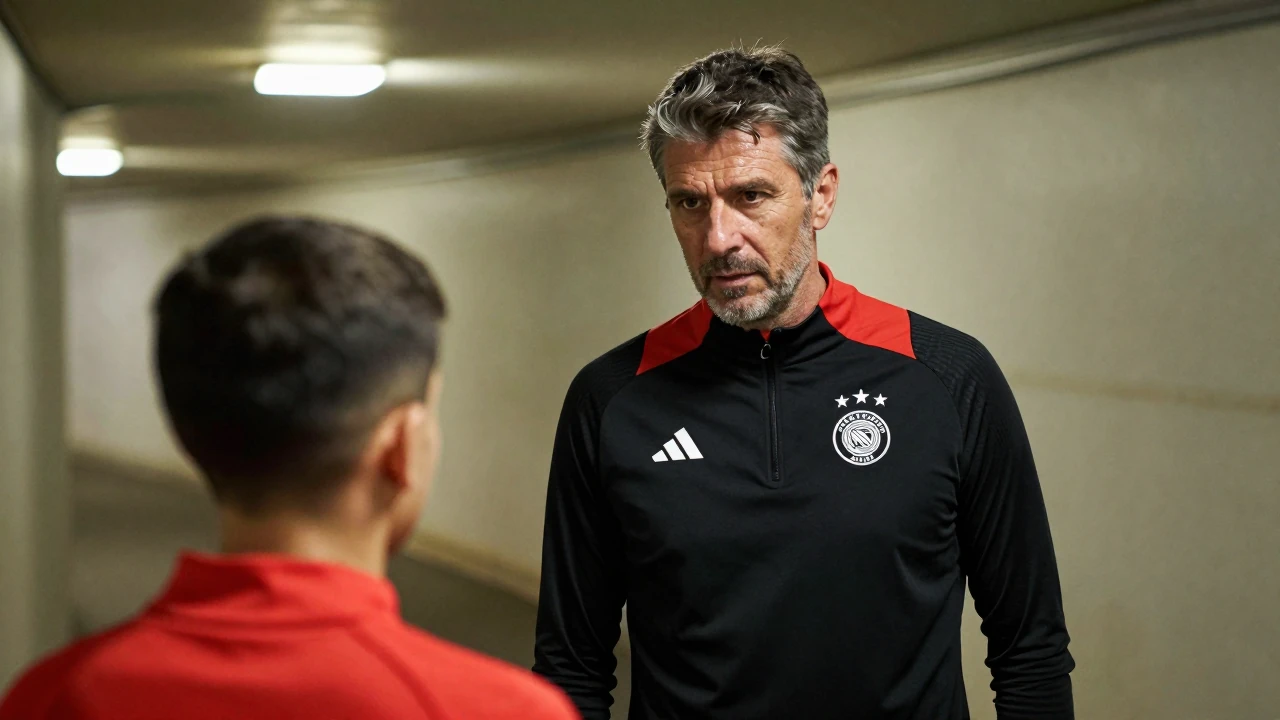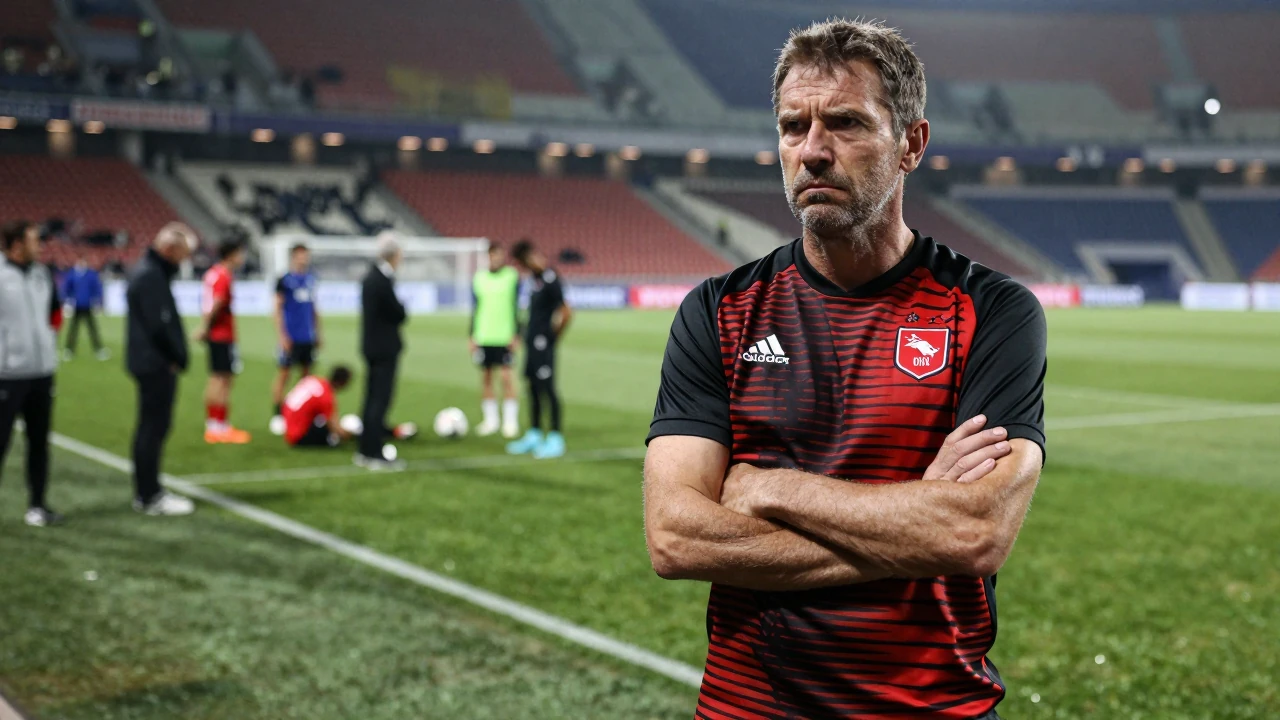

Germany's national football team is being viewed as a potential dark horse candidate for the 2026 FIFA World Cup. An analysis published by www.google.com this week outlines the reasons for this assessment, considering a mixed recent history and current form.
The 2014 champions subsequently suffered group-stage exits at the 2018 and 2022 World Cups. They lost in the Euro 2024 quarter-finals to eventual winners Spain. The road to 2026 began with a 2-0 loss to Slovakia, but Germany responded with five consecutive qualifying victories. They kept clean sheets in four of those five wins, culminating in a 6-0 thrashing of Slovakia in the return fixture. In the current World Cup qualifying standings, Germany sits first with 6 points from 3 games (2 wins, 1 loss) and a +6 goal difference.
How has the team's performance evolved?
World Cup finals statistics reveal a clear shift. Between 2002 and 2014, Germany scored 62 goals in 28 matches. Since the Brazil triumph, they have managed only 8 goals in 6 games, with the 4-2 win over Costa Rica in 2022 being an outlier. The most recent result, a 1-1 draw with Paraguay on June 29th, and the recent form across the last five matches (3 wins, 1 draw, 1 loss) suggest positive momentum. Manager Julian Nagelsmann's squad blends seasoned campaigners with promising youth.
Who are the key figures in the squad?
Experience is provided by captain Joshua Kimmich (106 caps) along with Leon Goretzka, Antonio Rüdiger, and Leroy Sané (each with over 60 caps). Creativity in attack comes from Florian Wirtz and Serge Gnabry. The next generation is also making its mark. Nick Woltemade, Malick Thiaw, and Aleksandar Pavlović each have fewer than 10 caps, bringing fresh energy. The goal-scoring records of some attackers are promising: Woltemade has 4 goals in 8 appearances, Tim Kleindienst also has 4 in 6, and Deniz Undav has 3 in 6. An AC Milan forward, presumably Thiaw, has scored 14 times in 24 senior internationals.
What does the group draw mean for their path?
For the finals across the USA, Canada, and Mexico, Germany was drawn in Group E with Curaçao, Ivory Coast, and Ecuador. This configuration offers a chance to build early tournament confidence. The defensive solidity shown in qualifying, detailed in our stats section, will be vital here. The team needs to recapture the potency of the 2002-2014 era when goalscoring was a hallmark.
What's next for Germany's preparations?
The next step is a crucial friendly against the Netherlands away on September 24th. This fixture serves as a final tune-up before the World Cup. Leading the qualifying group and showing positive recent form provides grounds for optimism. The blend of proven veterans and hungry newcomers could be the formula for success. Supporters can track the team's upcoming schedule on our fixtures page. Whether Germany can truly embrace the dark horse role will be determined from June 2026 onwards. The foundation from qualifying, however, has been laid.