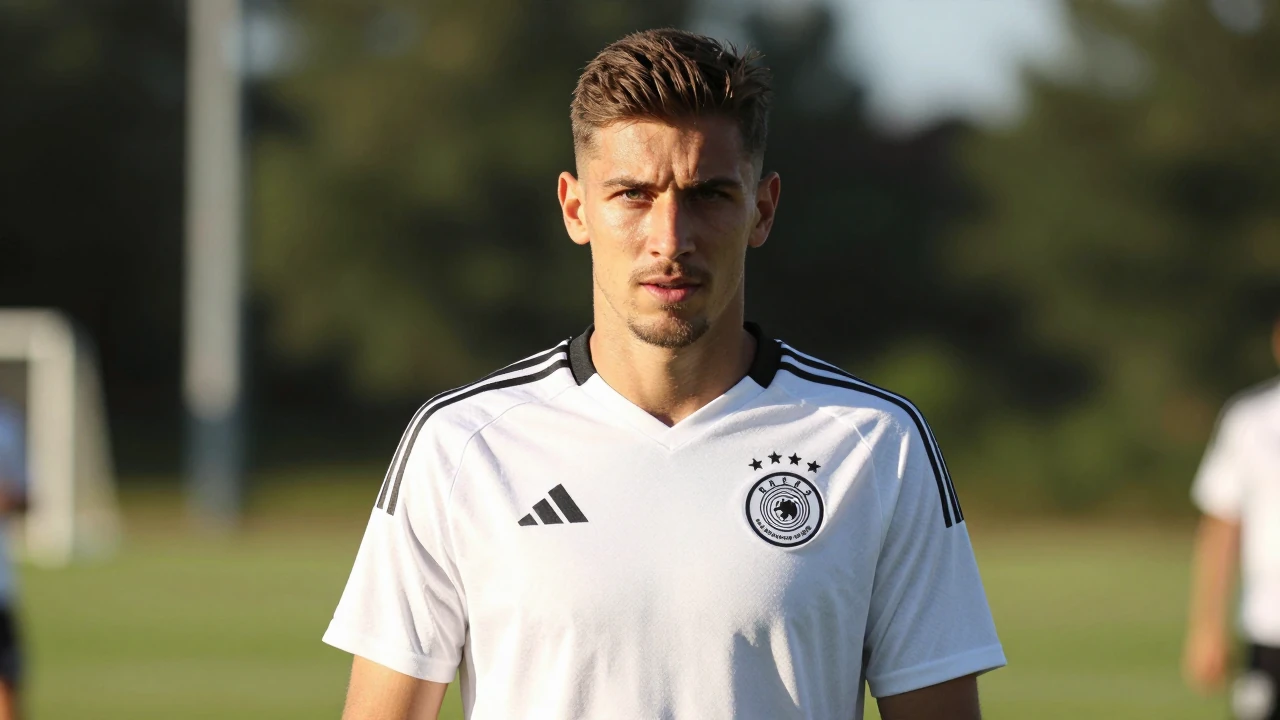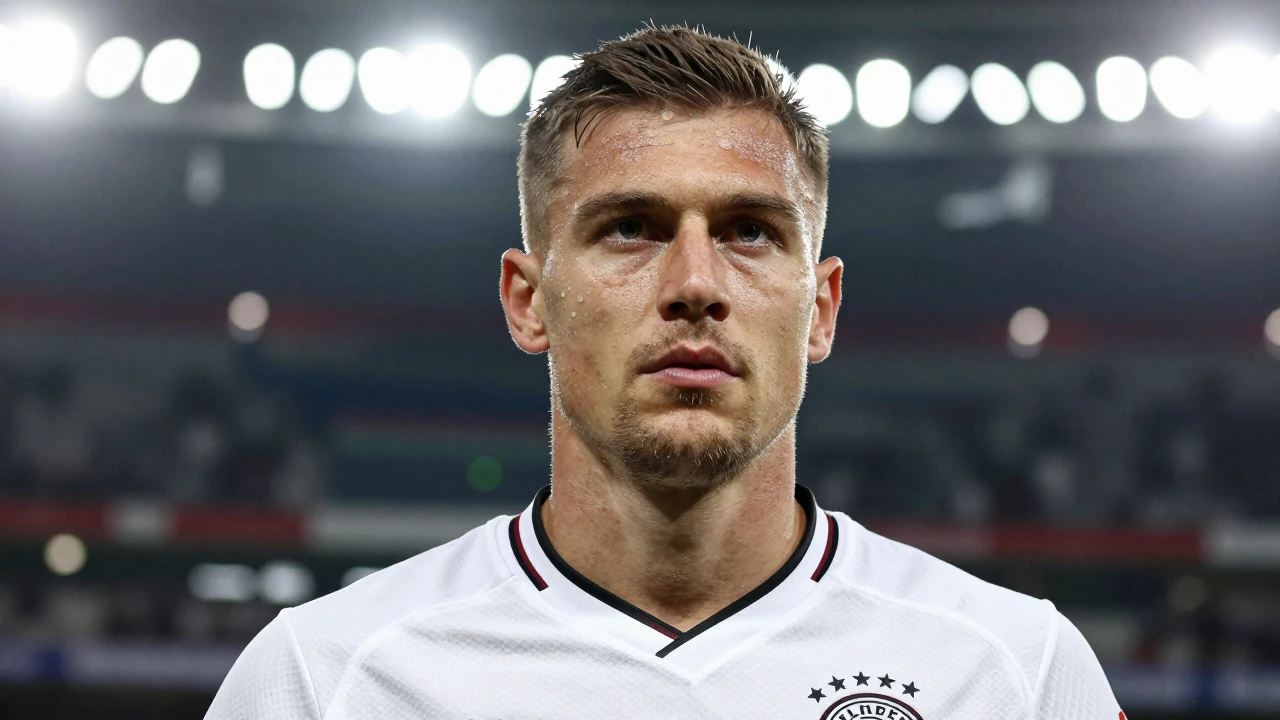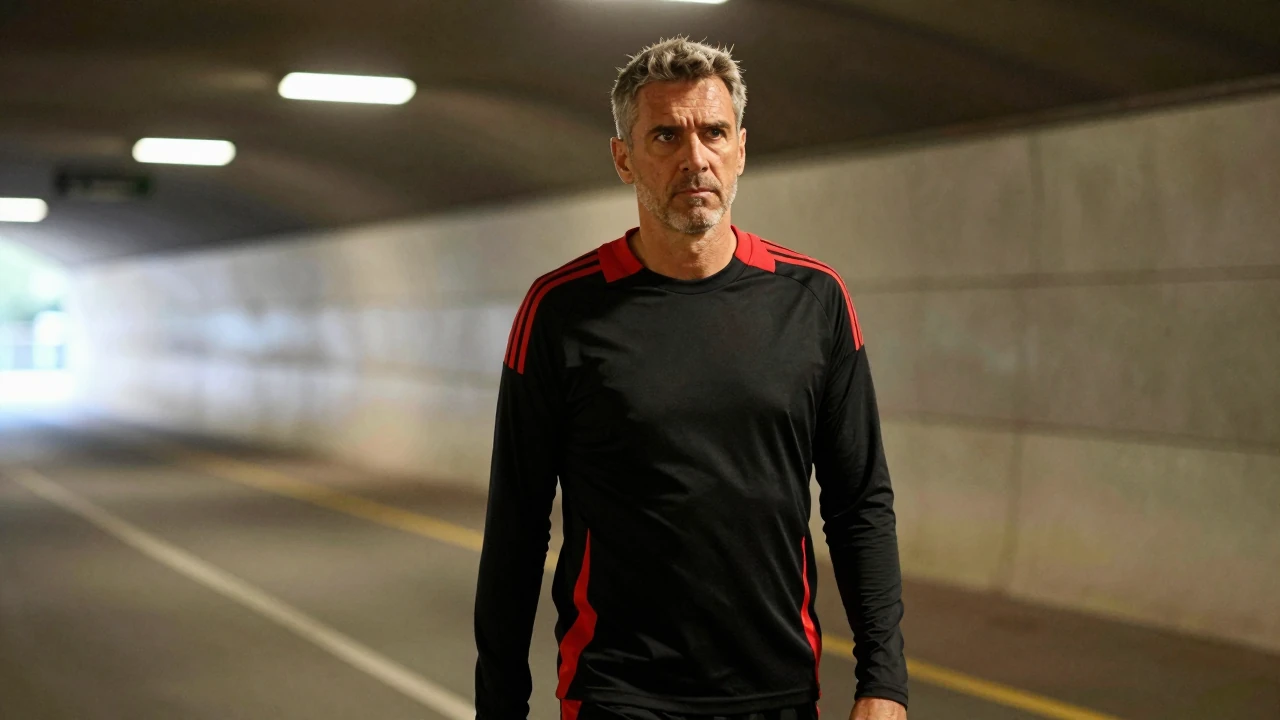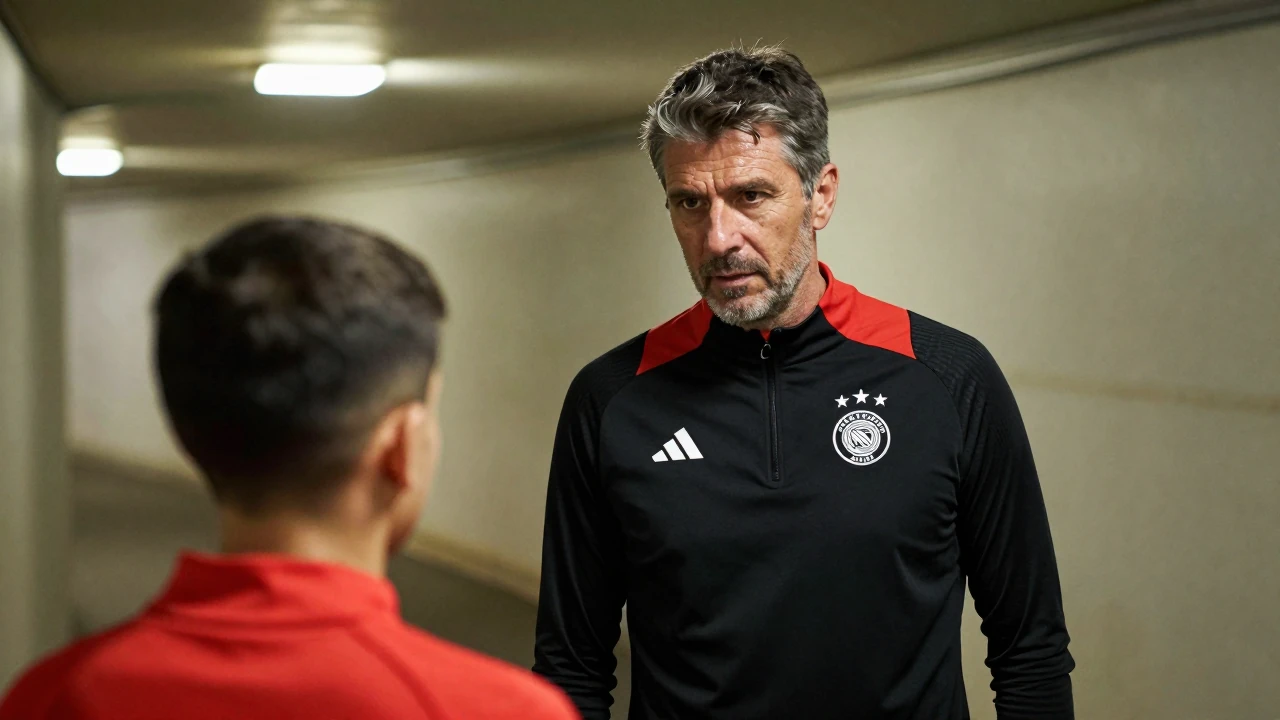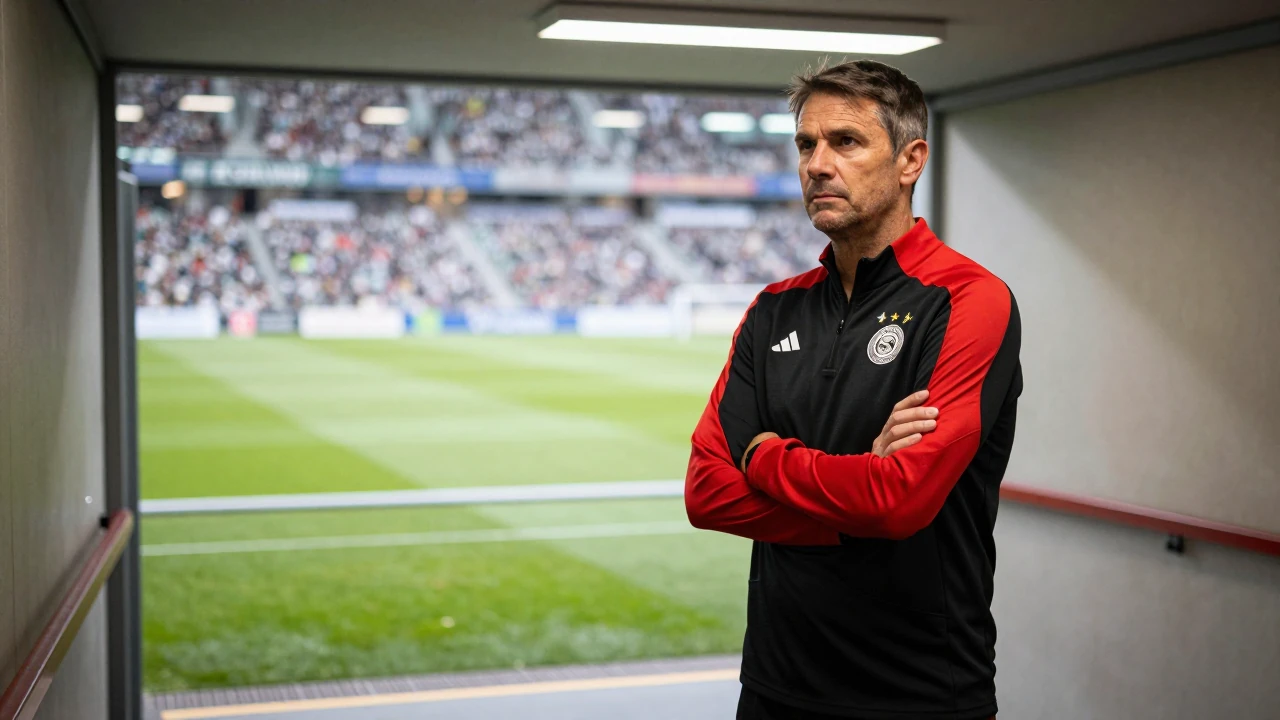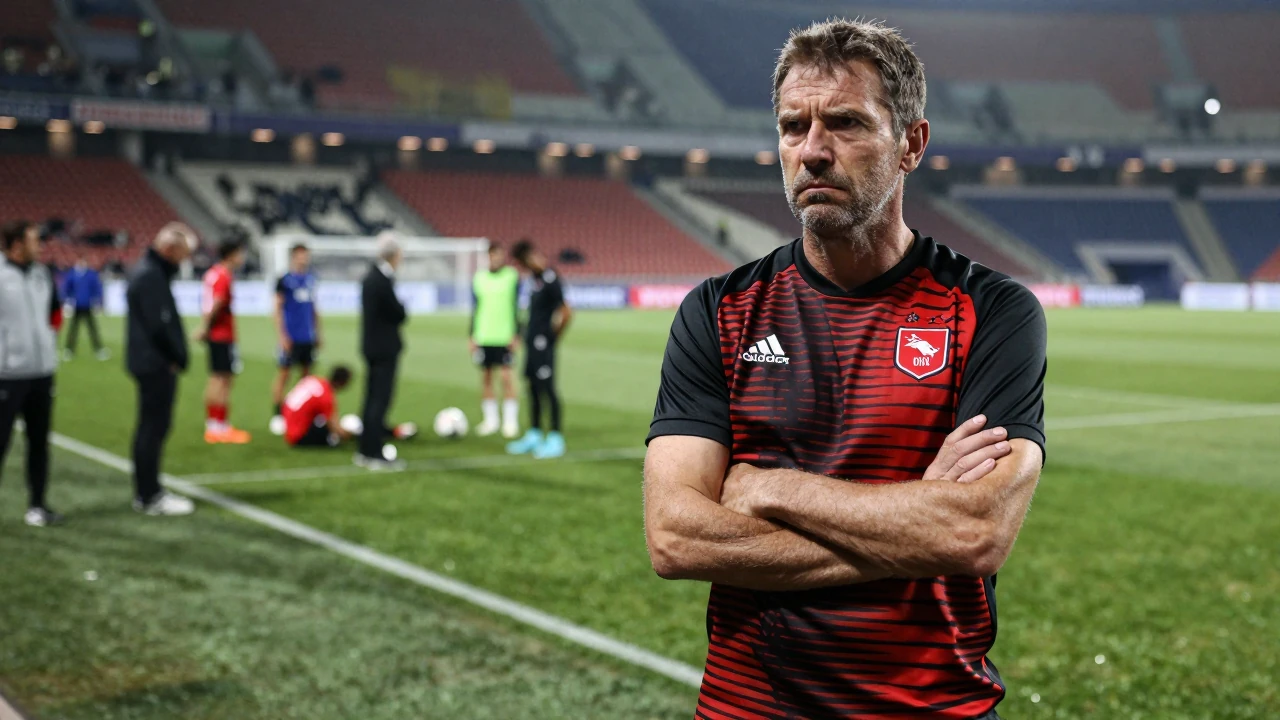
Germany's men's national football team has been led by 13 head coaches throughout the history of West Germany and unified Germany. This lineage from Otto Nerz to the current manager Jürgen Klopp has fundamentally shaped German football, as detailed in a report by Deutsche Welle (DW).
The team currently sits first in their World Cup qualifying group with six points from three matches. This season, the German side has scored ten goals while conceding four. The current top scorer is Deniz Undav with three goals in four appearances.
Who was the first national team coach?
Otto Nerz became Germany's first full-time head coach in 1927. The former footballer, physician, and educator led the team to a third-place finish at the 1934 FIFA World Cup in Italy. He was succeeded by Sepp Herberger, who first served from 1936 to 1942. Herberger became West Germany's first coach in 1950 and remained until 1964. His crowning achievement was winning the 1954 World Cup in Switzerland, remembered as the 'Miracle of Bern'.
Which era brought the most trophies?
Helmut Schön, Herberger's long-time assistant, managed the team from 1964 to 1978. He gave players more say in decision-making, establishing a more modern leadership style. Under his guidance, West Germany were World Cup runners-up in 1966, won the European Championship in 1972, claimed the World Cup title in 1974, and were European Championship runners-up in 1976. This period is considered one of the most successful in German football history.
Jupp Derwall, Schön's assistant, took over in 1978 and began with a 23-game unbeaten streak. He won his first tournament, the 1980 European Championship. In 1982, he led the team to the World Cup final. He resigned after West Germany's group-stage exit at the 1984 European Championship.
How did the team fare after reunification?
Franz Beckenbauer, captain of the 1974 World Cup-winning side, became team manager in 1984 as he lacked formal coaching qualifications. Assisted by Horst Köppel and Holger Osieck, he guided West Germany to the 1986 World Cup final and won the 1990 title in Italy. Berti Vogts took over in 1990 with the challenging task of integrating players from West and East Germany. Under him, Germany lost the 1992 European Championship final to Denmark and were eliminated by Bulgaria in the 1994 World Cup quarter-finals. He led the team to European Championship glory in 1996 before stepping down after the 1998 World Cup.
Who followed the successful years?
Erich Ribbeck coached the national team from 1998 to 2000. His appointment was surprising, as Paul Breitner was initially named head coach before the idea was scrapped. Uli Stielike had also agreed to become head coach but was surprised to find himself appointed only as Ribbeck's assistant. This phase marked a transition after the major successes of the preceding decades.
What is the current situation?
The German national team is now preparing under Jürgen Klopp for upcoming challenges. Their last result was a 1-1 draw against Paraguay on June 29, 2026. Their recent form over the last five matches shows three wins, one draw, and one loss. The next significant test is an away fixture against the Netherlands on September 24, 2026. Fans can follow the qualifying progress in our standings and check upcoming dates on the fixtures page. The squad composition is documented on our squad page.
The history of Germany's head coaches illustrates how leadership and playing philosophy have evolved over the decades. Each era left its mark and contributed to the legacy of the German national team.