
Introduction
The anticipation for the FIFA World Cup 2026 in the USA, Canada, and Mexico is palpable, and questions about the performance of Die Mannschaft loom large. Following disappointing outings in recent tournaments, it is crucial to assess how far Germany can advance with its current squad and new coach Julian Nagelsmann. In this article, we take a closer look at the strengths, weaknesses, and overall perspective Germany holds for the upcoming tournament.
The Current Squad
The German team has shown significant improvement in recent months. With a blend of experienced players and talented newcomers, the squad appears well-equipped for the 2026 World Cup.
- Joshua Kimmich and Leon Goretzka form a solid midfield that is strong both defensively and offensively.
- The attack is led by Kai Havertz, who is making waves in the Premier League, and Timo Werner, who is always a threat to score.
- In defense, experienced center-backs Antonio Rüdiger and Niklas Süle are ready to provide a strong backbone.
Team chemistry is improving, and Nagelsmann has managed to foster a positive atmosphere that can be crucial for success.
Tactical Approach
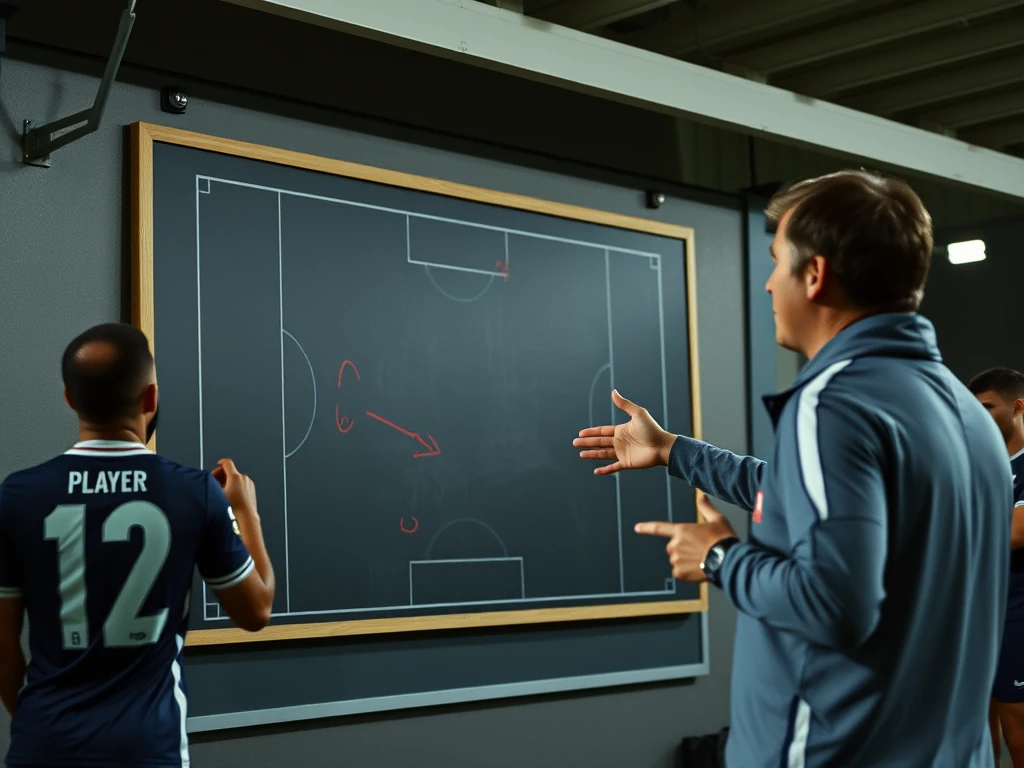
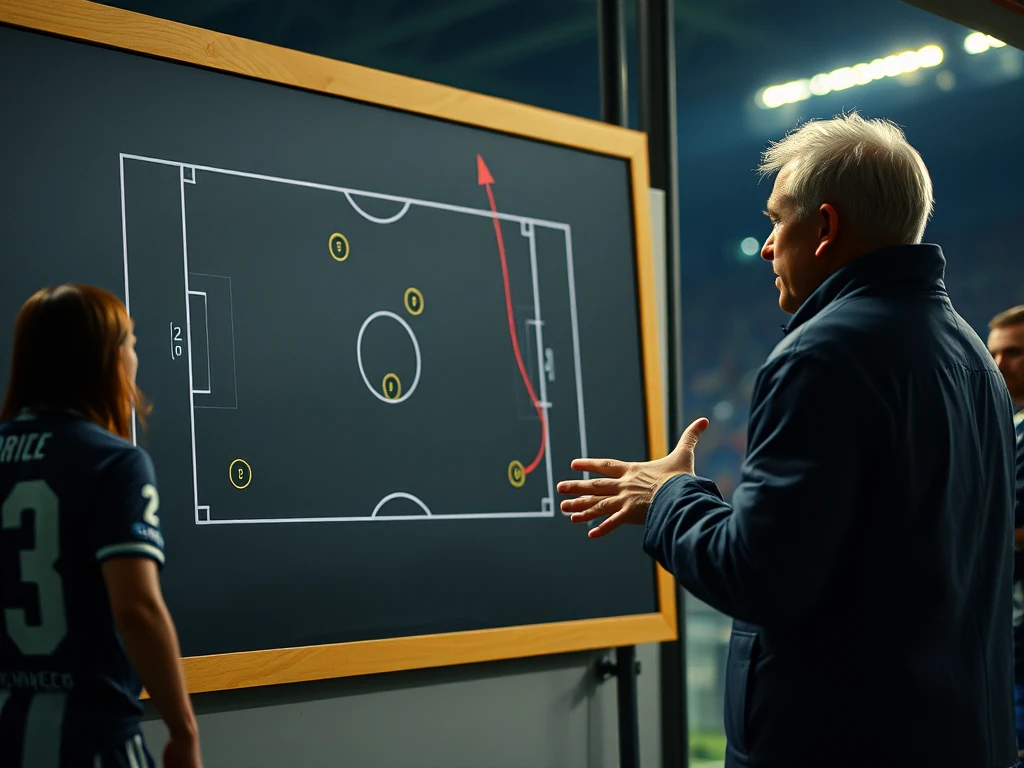
Under Julian Nagelsmann, Germany has developed a modern and dynamic playing style. The coach is known for his flexible tactics, which can be adjusted both defensively and offensively depending on the opponent.
- Pressing: The team relies on high pressing to put pressure on the opponent early and regain possession in dangerous areas.
- Possession Play: Through targeted ball circulation and positional changes, the aim is to stretch the opponent and create space for attacks.
- Counter-Attacking: With fast players like Jamal Musiala and Leroy Sané, Germany can also execute lightning-fast counter-attacks that pose a threat to any opponent.
This tactical flexibility will be key to achieving success in the group stage and beyond.
The Challenges of the Group Stage
The group stage of the FIFA World Cup 2026 will be crucial for Germany. Depending on the group draw, the team could face several strong opponents that will test its strengths and weaknesses.
- Potential opponents may include France, Spain, or Brazil, all of whom boast star players and experienced coaches.
- The ability to quickly adapt to different playing styles will be vital to successfully navigating the group stage.
- Injuries or form fluctuations of key players could also play a role and influence the course of the tournament.
The German team must be mentally strong and focused during this critical phase to emerge from the group matches.
Fan Reactions and Outlook
Fan reactions are mixed, but the majority show optimism. After recent failures in international tournaments, German supporters are hoping for a fresh start and a return to the top of the world stage.
- Support on social media is robust, with many fans eager to see how the young squad performs in the tournament.
- The return of Marco Reus could instill hope that an experienced player can provide crucial impetus.
- Preparations for the tournament are already underway, and fans are gearing up to support their team in the USA.
What's Next?
The coming months will be vital for determining the final squad for the 2026 World Cup. Friendly matches and qualifying games provide opportunities to test players and find the best starting eleven.
The goal is clear: Germany aims not just to survive the group stage but to advance to the knockout rounds and ultimately compete for the title. The mix of experience and youth could be the key to success, and fans will be closely watching how the team progresses on its path to the next World Cup.