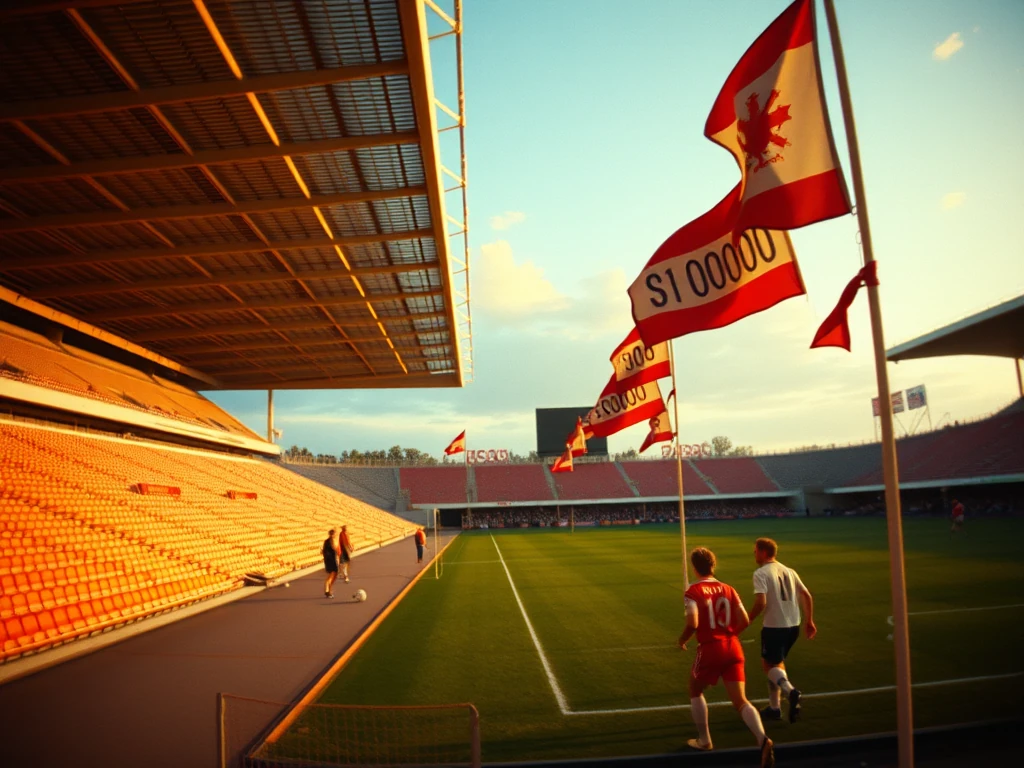
The 1974 FIFA World Cup in Germany was not just a sporting event but also a symbol of reconstruction and national unity after the turbulent years of World War II. The national team, led by coach Helmut Schön, demonstrated an impressive evolution that laid the groundwork for future successes. In a tournament marked by political and social significance, Germany was perceived not only as a football nation but also as an emerging democracy.
The highlight of the tournament was the legendary final at the Olympiastadion in Munich, where Germany faced the favored Netherlands. The match was a spectacular duel that held the world in suspense. With a 2:1 victory, Germany secured its second World Cup title, following the first in 1954. The way the team played was revolutionary: instead of the traditional defensive style, they adopted an offensive, combination-heavy game that impressed both spectators and opponents alike.
Particularly unforgettable were the performances of players like Johan Neeskens, who put the Netherlands ahead, and Paul Breitner, who equalized. Gerd Müller, known as “The Bomber,” secured the win with his decisive goal. It was not only a victory for the team but also for the entire country, which once again presented itself on the world stage after years of isolation and uncertainty.
The 1974 World Cup was also a turning point for German football culture. The success brought people together and created a collective identity that endures to this day. Die Mannschaft became a symbol of the new, self-confident Federal Republic of Germany. Fans celebrated not only the sporting success but also the hope for a better future.
Against the backdrop of political tensions and the division of Germany, the 1974 World Cup represented a rare opportunity to showcase national unity and pride. The atmosphere in the stadium and on the streets was electrifying, attracting people of all ages and backgrounds. The celebrations following the final were an expression of the national cohesion deeply rooted in German society.
Today, as preparations for the 2026 World Cup begin, Die Mannschaft reflects on this glorious past. The lessons learned from 1974 may also hold significance in the modern football world as Germany strives to return to the pinnacle of world football. The spirit of 1974, characterized by teamwork, determination, and national identity, will surely find a place in the coming years and tournaments.