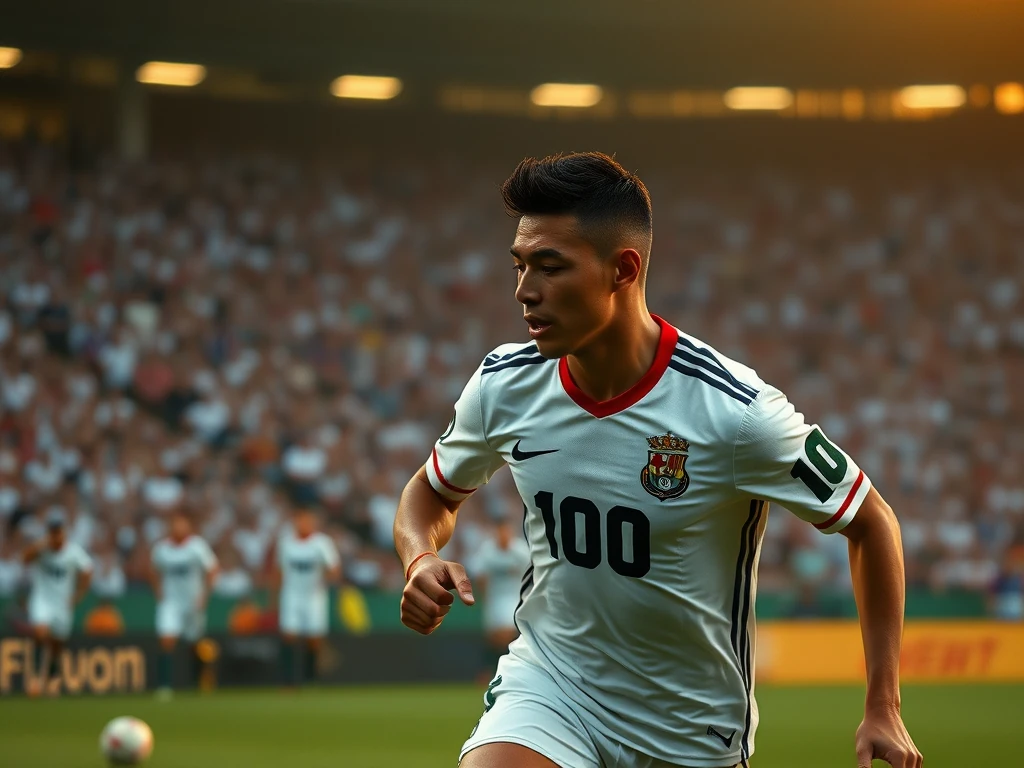
Germany's recent games have shown that the team is on a solid path but also requires some tactical adjustments to remain competitive. Under Julian Nagelsmann's leadership, the playing style has evolved, yet there are areas that can be optimized to enhance offensive effectiveness and defensive stability.
Offensive Flexibility
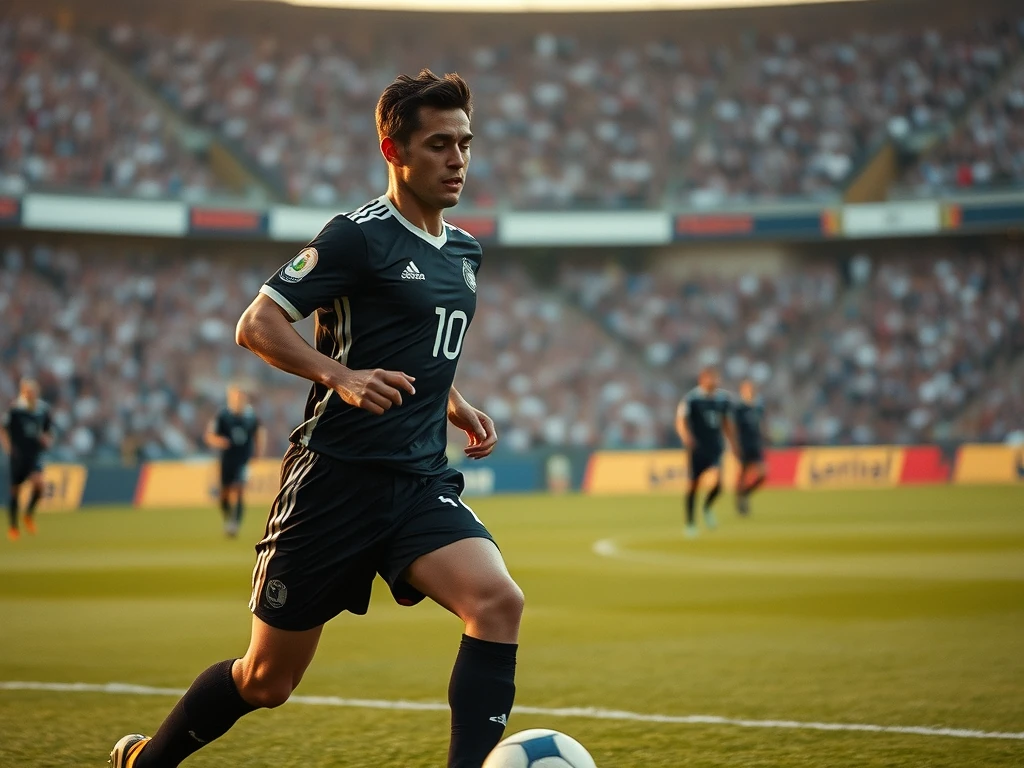
One notable aspect in the recent matches has been the flexibility in the attacking play. The use of variable formations, particularly switching between 4-2-3-1 and 4-3-3, has opened up opportunities to outsmart the opposing defenses. However, Germany could benefit from playing more through the wings, especially utilizing the skills of wingers like Leroy Sané and Jamal Musiala. Their speed and creativity can be crucial in pulling apart the opponent's defenses and creating space for central players like Kai Havertz or Ilkay Gündogan.
Midfield Dominance
Another central element that should be improved is control in midfield. The combination of defensive and offensive midfielders has worked well in the past, but sometimes there is a lack of a clear playmaker to pull the strings. Integrating a classic regista, possibly in the form of Leon Goretzka or Florian Wirtz, could help vary the pace of the game and enable more precise passes into the attack.
Defensive Stability
Defensively, the team has shown weaknesses in several matches, particularly in dealing with fast counters. Here, an adjustment in the defensive line could be beneficial. A greater focus on a compact formation, possibly with a three-man defense, could enhance defensive stability and help reduce the pressure on the full-backs. Players like Matthias Ginter and Antonio Rüdiger could play a key role in such a formation, standing strong defensively while also contributing offensively.
Set-Pieces Optimization
An often-overlooked area is the effectiveness at set pieces. Germany has scored many goals from dead-ball situations in the past, but in recent matches, the return has been disappointing. Targeted training in executing free kicks and corners could increase the chances of scoring in crucial moments. Here, a player like Joshua Kimmich, who can deliver precise crosses and shots from distance, could play a central role.
Overall, the analysis shows that Germany is on the right track, but a few strategic adjustments could make the difference between success and failure at the 2026 World Cup. By considering these tactical nuances, Nagelsmann can ensure that Die Mannschaft is well-prepared to shine in the upcoming tournament.