In recent friendly matches, Die Mannschaft has showcased some impressive approaches, indicating that new coach Julian Nagelsmann is on the right track. However, there are tactical nuances that need optimization to achieve peak form for the upcoming 2026 World Cup.
One key area is defensive stability. In recent games, the defense has been vulnerable to quick counterattacks, especially on the flanks. To address this, Nagelsmann might consider positioning the full-backs slightly more defensively to better cover the wide spaces exploited by opposing wingers.
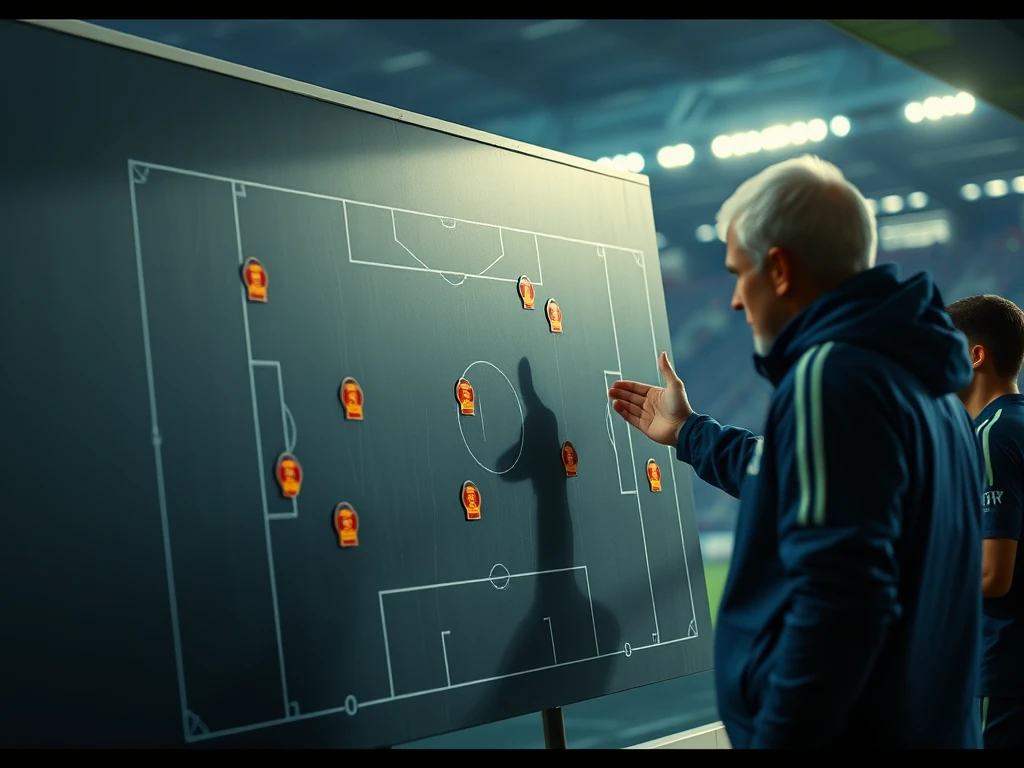
Additionally, a switch to a 3-4-3 system could be beneficial to increase control in midfield. With three center-backs, Germany would not only become more defensively solid but could also apply more pressure on the opposing defense. The two wide players could contribute more to the offense while increasing the width of the play.
In attack, there is a degree of unpredictability that, however, requires more structure. It would be wise to define plays more clearly to better utilize the strengths of the strikers. Players like Jamal Musiala and Florian Wirtz could benefit from a more central role to enhance creativity and the drive towards goal.
Another consideration would be the implementation of more pressing strategies. Germany has the potential to disrupt the opponent's possession early, and an intense pressing game could help win the ball in dangerous areas. This would not only strengthen the offense but also bolster confidence in the defense, as players know they can quickly regain possession.
In summary, while Die Mannschaft shows some promising signs, strategic adjustments are necessary. The goal must be to find a balance between defensive stability and offensive creativity to be truly competitive at the 2026 World Cup.