Introduction
Germany's recent performances have unveiled an intriguing mix of progress and challenges. Under Julian Nagelsmann's leadership, the team has shown some creative attacking approaches, but there is still a lack of defensive stability that is essential for success on the world stage.
Offensive Approaches
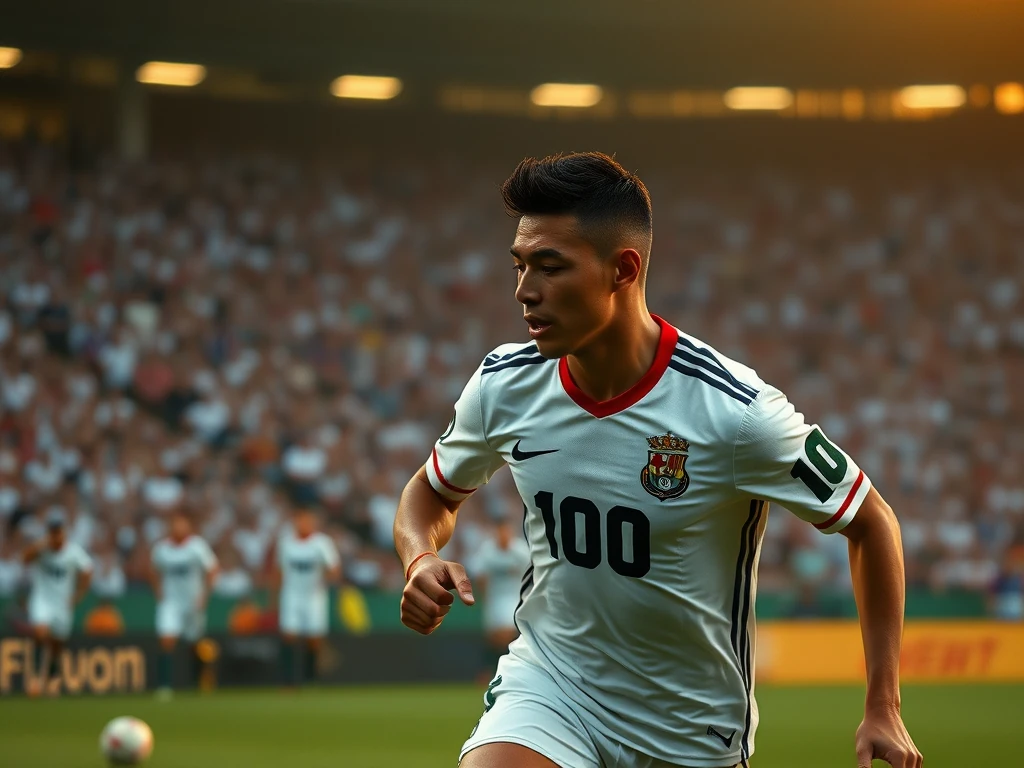
In recent matches, Germany has opted for a more flexible attacking formation that allows players to move dynamically and exploit spaces. Notably, the wingers have brought new dimensions to the game with their speed and dribbling skills. Players like Leroy Sané and Jamal Musiala have emerged as key figures, not only setting up goals but also finishing them off. However, the question remains: how can this offensive momentum be better integrated into the overall playing style?
Defensive Challenges
Despite the creative offense, the defense has shown vulnerabilities that can be punished at crucial moments. It appears that the backline often pushes too high, making them susceptible to counter-attacks. Here, reverting to a more compact formation, perhaps a 4-2-3-1 system, could be beneficial to ensure a more stable base. At this point, the interplay between central midfielders could be crucial in regaining possession quickly while also supporting the defense.
Individual Roles
Another area that warrants closer examination is the assignment of individual roles within the team. Players like Joshua Kimmich and Leon Goretzka need to fulfill not only their defensive duties but also provide creative impulses going forward. Targeted training to enhance their abilities in game distribution and passing accuracy could significantly bolster offensive efforts.
Conclusion
In conclusion, Germany is on a promising path, yet must make some strategic adjustments to return to the top of world football. The balance between offense and defense is key to success. With the right tactical tweaks and clear role distribution, Die Mannschaft could be ready to seriously contend for the title at the 2026 World Cup.