Introduction
The anticipation for the FIFA World Cup 2026 is palpable, with both England and Germany having announced their squads. The selection of players not only serves as a strategic step but also reflects the ambitions and current state of both teams. In this article, we will examine the squads and analyze the potential implications for the World Cup.
England's Squad in Detail
Thomas Tuchel has selected an exciting mix of experienced players and young talents for the Three Lions. With stars like Harry Kane and Raheem Sterling leading the line, much is expected from the offense. The inclusion of rising midfield star Jude Bellingham indicates that England is looking towards the future while simultaneously relying on the stability provided by seasoned players.
- Experienced Players:
- Harry Kane (Tottenham Hotspur)
- Raheem Sterling (Chelsea)
- Young Talents:
- Jude Bellingham (Real Madrid)
- Bukayo Saka (Arsenal)
Particular attention will be on the defense, which has often been criticized in the past. Players like John Stones and Luke Shaw must elevate their performances to minimize pressure on the offense. The choice of Jordan Pickford as goalkeeper could also prove crucial, given his ability to perform under pressure in previous tournaments.
Germany's Selection: A Step in the Right Direction
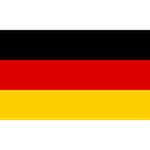
The DFB-Elf has also assembled a promising squad. Under the guidance of Julian Nagelsmann, Germany may be poised to recapture past successes. The return of Thomas Müller and the inclusion of Jamal Musiala illustrate the coach's strategy of blending experience with fresh talent.
- Experienced Players:
- Thomas Müller (Bayern Munich)
- Manuel Neuer (Bayern Munich)
- Young Talents:
- Jamal Musiala (Bayern Munich)
- Florian Wirtz (Bayer 04 Leverkusen)
The selection of players like Kai Havertz and Leroy Sané indicates that Germany has offensive versatility and can implement various playing styles. The defense, led by Antonio Rüdiger, will be crucial in keeping opponents at bay.
Tactical Considerations
Both coaches have different approaches to team formation. Tuchel might opt for a fast, pressing style that leverages his forwards' speed. In contrast, Nagelsmann may choose a balanced tactic that incorporates both defensive solidity and creative offensive plays.
A potential key to success for England could be developing a solid midfield that performs well both defensively and offensively. Germany, on the other hand, could benefit from the flexibility of its players, who can be deployed in various positions.
What It Means for the 2026 World Cup
The squads of both teams are crucial for the dynamics of the FIFA World Cup 2026. England is considered one of the favorites, especially following strong performances in recent years. Germany, however, faces pressure to prove itself after a disappointing showing in the last World Cup in Qatar.
Key Considerations: - England's offensive strength could take them far. - Germany's need for stability in defense. - The impact of young talents on overall performance.
Fan Reactions and Outlook
Fan reactions to the squad announcements have been mixed. While many are satisfied with the selections, some voices preferred alternative players. Notably, the decision regarding the goalkeeper position has sparked discussions in both England and Germany.
Anticipation for the World Cup remains high, and players will prepare to represent their nations with pride. Upcoming friendly matches will provide essential insights into how well the squads harmonize.
What's Next?
With the World Cup on the horizon, the next few months will be critical. England and Germany must prove themselves in their test matches and identify the right players for pivotal moments. Fans can look forward to exciting encounters that will shape the preparations for the World Cup.
Both teams will need to fine-tune their strategies to be ready for the challenges posed by the FIFA World Cup 2026.