 Germany Hub
The 1990 World Cup: The Last Triumph of the Old Guard
The 1990 FIFA World Cup in Italy is regarded as one of the most significant moments in the history of Die Mannschaft. Under the leadership of coach Franz Beckenbauer, the German national team entered the tournament with a blend of experience and talent that would prove crucial in the ensuing matches. The road to the title was marked by intense games, strategic prowess, and a strong team spirit.
The opening match against Yugoslavia, which ended in a 4-1 victory, set the tone for the tournament. The team showcased their best form and finished the group stage in first place. In the knockout round, the Netherlands, a traditional rival, awaited the Germans. In a thrilling encounter, Germany emerged victorious with a 2-1 win, paving the way to the semifinals.
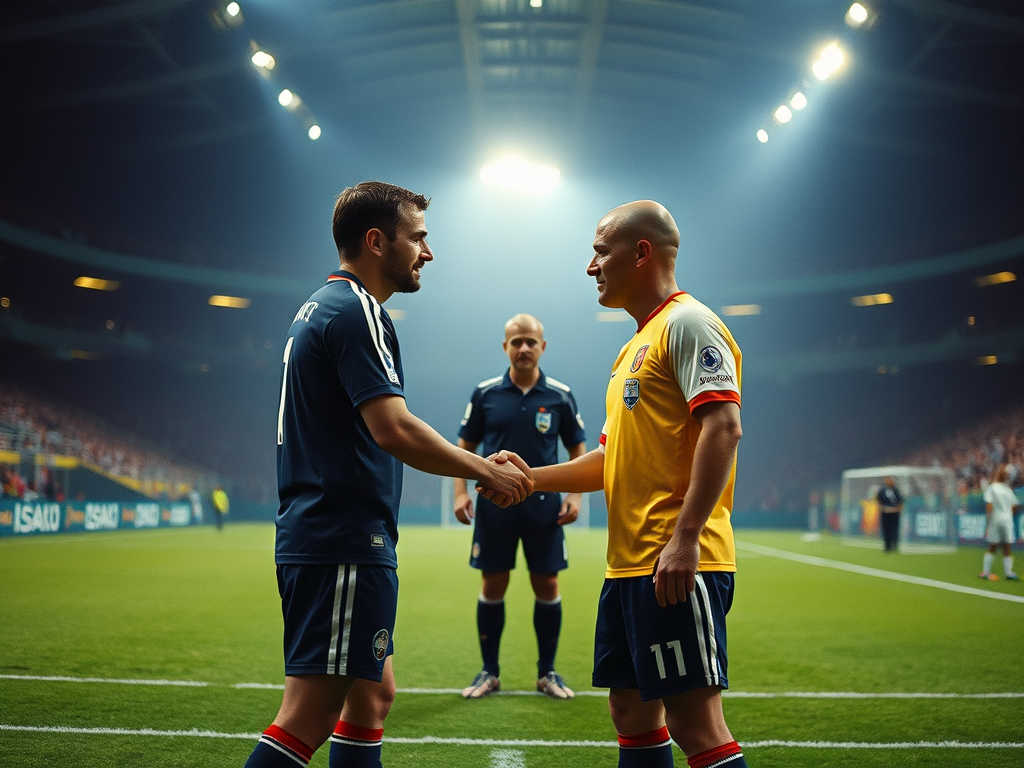
The semifinal against host nation Italy was a nerve-wracking affair that would go down in history, not just for the competitive performance of both teams but also for the emotional intensity. Germany won 1-0 thanks to a goal from Andreas Brehme, marking a transition for German football into a new era. The match exemplified the character and relentless fighting spirit of Die Mannschaft.
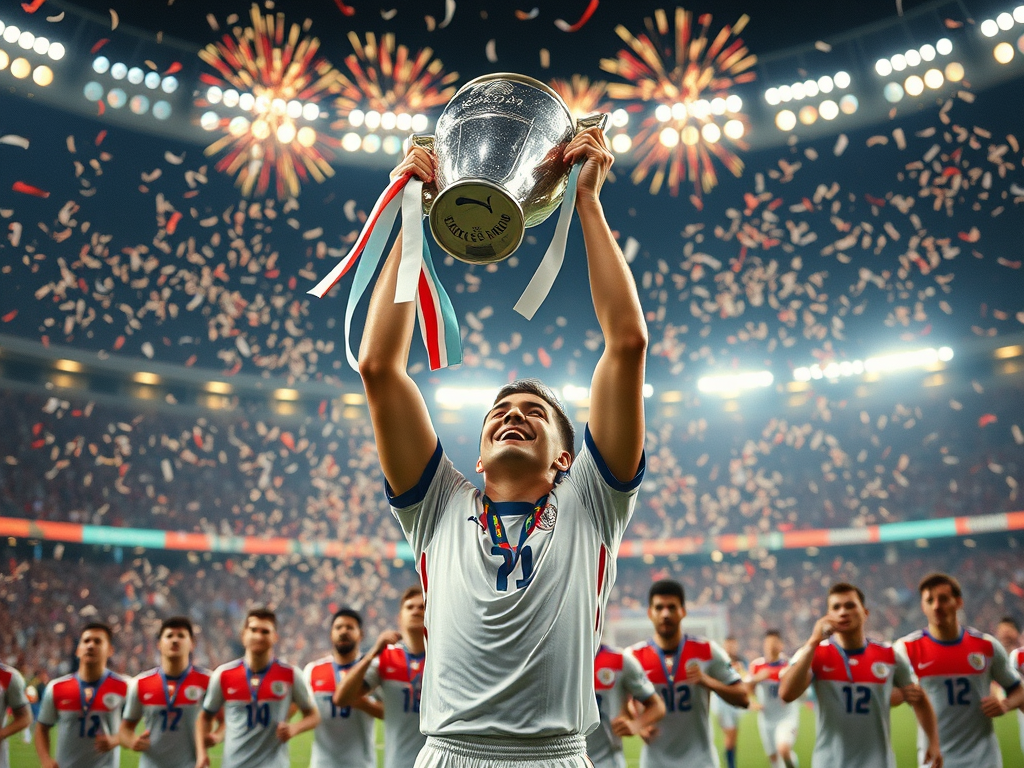
The final took place in the legendary Olympic Stadium in Rome, where Germany faced Argentina. Memories of the 1986 final, where Argentina triumphed, loomed over this encounter. However, the German team was determined to take revenge. The game was characterized by the tactical discipline and physical presence of the German players. A decisive penalty converted by Brehme secured a 1-0 victory, granting Germany their third World Cup title.
The victory in 1990 was not just a sporting achievement but also a cultural moment. It coincided with a time of change in Germany, just before reunification. The joy over the title united people from East and West and solidified Die Mannschaft's place in the heart of the nation. The win became a symbol of a new beginning and the potential within a united Germany.
In the years following 1990, a new generation of players emerged. The successes of the 1990s laid the groundwork for the future dominance of German football. As we approach the FIFA World Cup 2026, the memory of the 1990 triumph serves as a powerful testament to Die Mannschaft's indomitable spirit and its ability to continually reinvent itself.
This historic success reminds us that football is more than just a game – it is a reflection of society and change, uniting and inspiring a nation.