 Germany Hub
The 1974 World Cup, held in Germany, was not just a sporting highlight but also a cultural event that left a lasting impact on the country and the world. Die Mannschaft, under coach Helmut Schön, presented a unique blend of talent, creativity, and a certain carefree attitude that set them apart from their predecessors. This team was not merely a reflection of German virtues but rather an expression of the zeitgeist of that era.
A central moment of the tournament was the legendary final against the Netherlands at the Munich Olympic Stadium. The Dutch took an early lead, which many considered a shock. However, instead of panicking, Die Mannschaft displayed remarkable calm and confidence. Players like Günter Netzer and Paul Breitner harnessed their technical skills and tactical flexibility to regain control of the game.
The decisive turning point came in the second half when the substitute Gerd Müller, the "Bomber of the Nation," entered the field. With an unstoppable instinct for goals, Müller scored the equalizer and later the decisive goal that secured the title for Germany. The way the team responded during this critical phase of the match showcased their unconventional approach and ability to rise to the occasion.
The 1974 World Cup was also a showcase of the new German football philosophy, characterized by the individuality of the players. Instead of rigidly adhering to old tactical concepts, Schön allowed his players to express their creativity. This freedom led to a playing style that was both aesthetically pleasing and highly effective. It was a time when football was more than just a sport; it was an expression of the societal spirit of the time.
The aftermath of the victory in 1974 was immense. Die Mannschaft became a symbol of a united Germany, inspiring an entire generation of football players. The title win helped bolster national confidence and fueled enthusiasm for football in the country. Even today, nearly five decades later, this triumph remains a benchmark for Die Mannschaft's ambitions, especially with the upcoming World Cup in 2026.
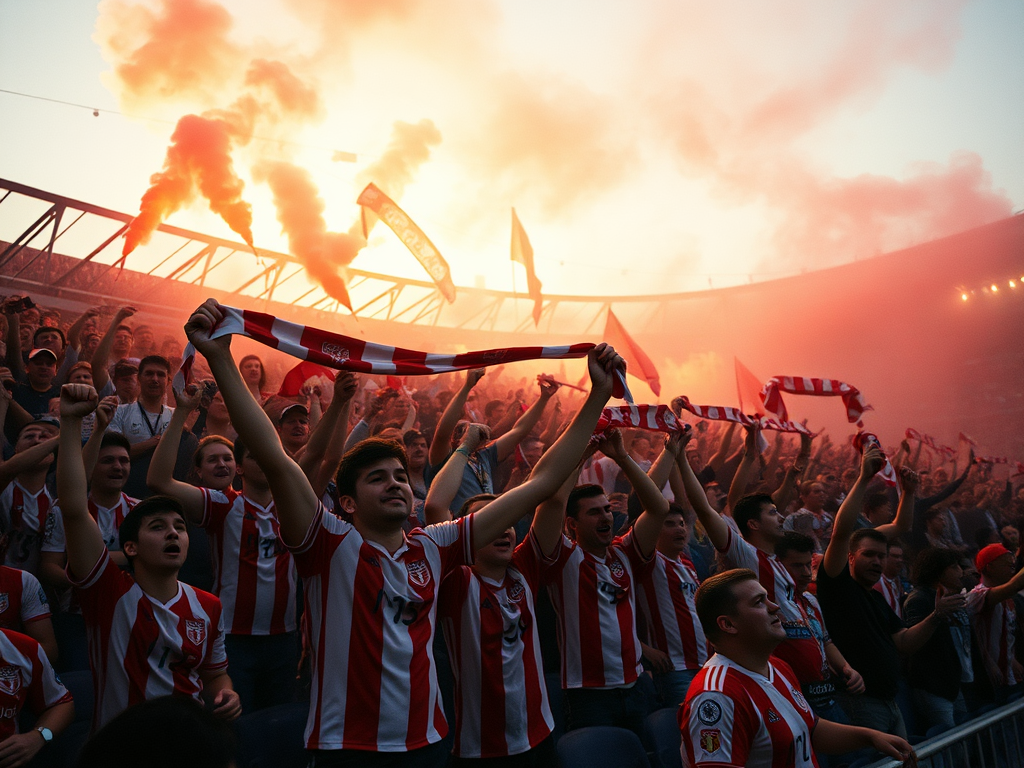
Another often-overlooked aspect is the role of the fans during this tournament. The German fan base was passionate and creative, and their support significantly contributed to the magical atmosphere of the 1974 World Cup. They were not just spectators but part of a collective dream that came alive in the streets and stadiums of the country.
In conclusion, the 1974 World Cup was more than just a sporting success; it was a cultural phenomenon that redefined Germany's identity and paved the way for future triumphs. The lessons from this era remain relevant for Die Mannschaft today as they prepare for the challenges of the 2026 World Cup and continue to assert their place at the summit of world football.