 Germany Hub
German fan culture is not just an aspect of football; it is a vibrant community shaped by deeply rooted traditions and rituals. Every match, especially during major tournaments like the FIFA World Cup 2026, comes with a variety of unwritten rules and customs that make the experience unforgettable for supporters.
A common ritual is the collective singing of fan songs, which often begins long before the match starts. These songs, often reflecting the decades-long history of the national team or local rivalries, create a bond between the fans and the team. The famous ‘Die Gedanken sind frei’ is frequently sung to emphasize the unwavering support of the followers. It not only showcases passion but also pride in being part of this community.
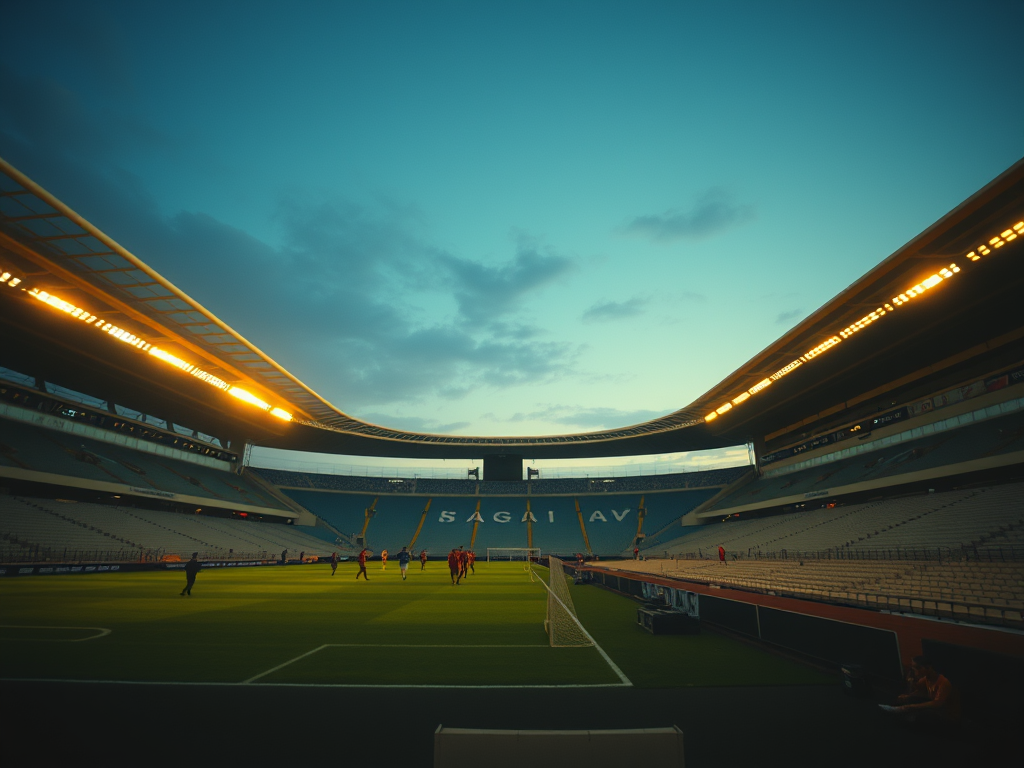
Arriving at the stadium is another significant ritual. Many fans travel with friends and family to spend time together before the game. Street festival vibes, barbecues, or visiting fan zones are common practices. This anticipation and social gathering strengthen the unity and bring a sense of belonging that extends beyond mere football.
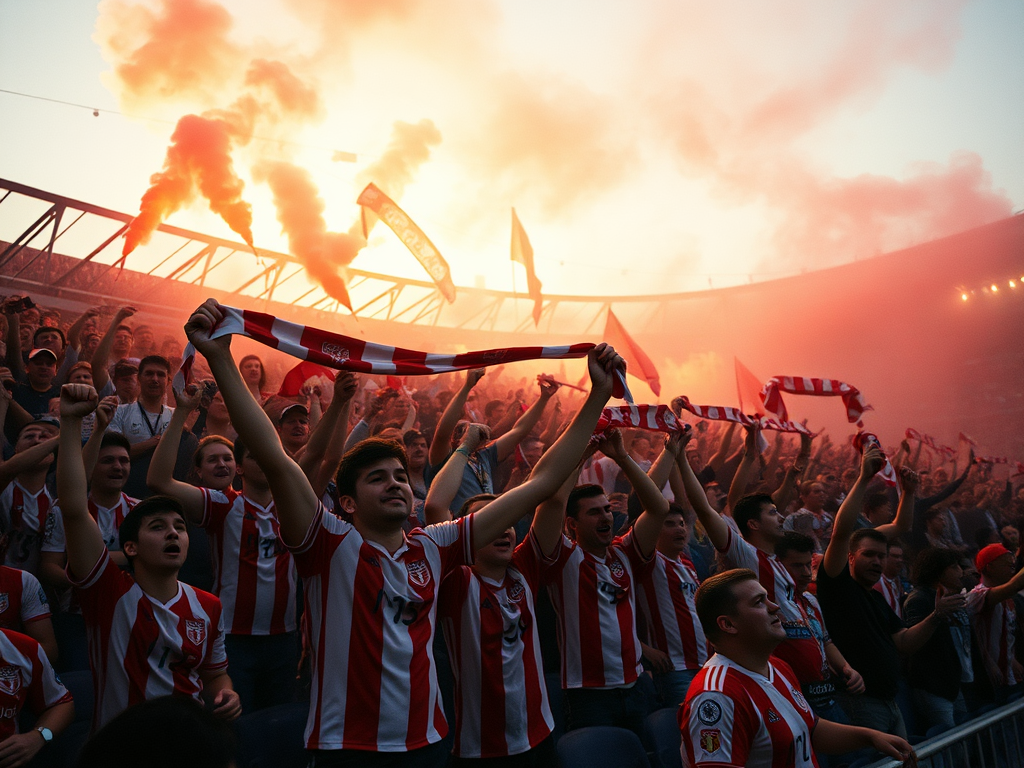
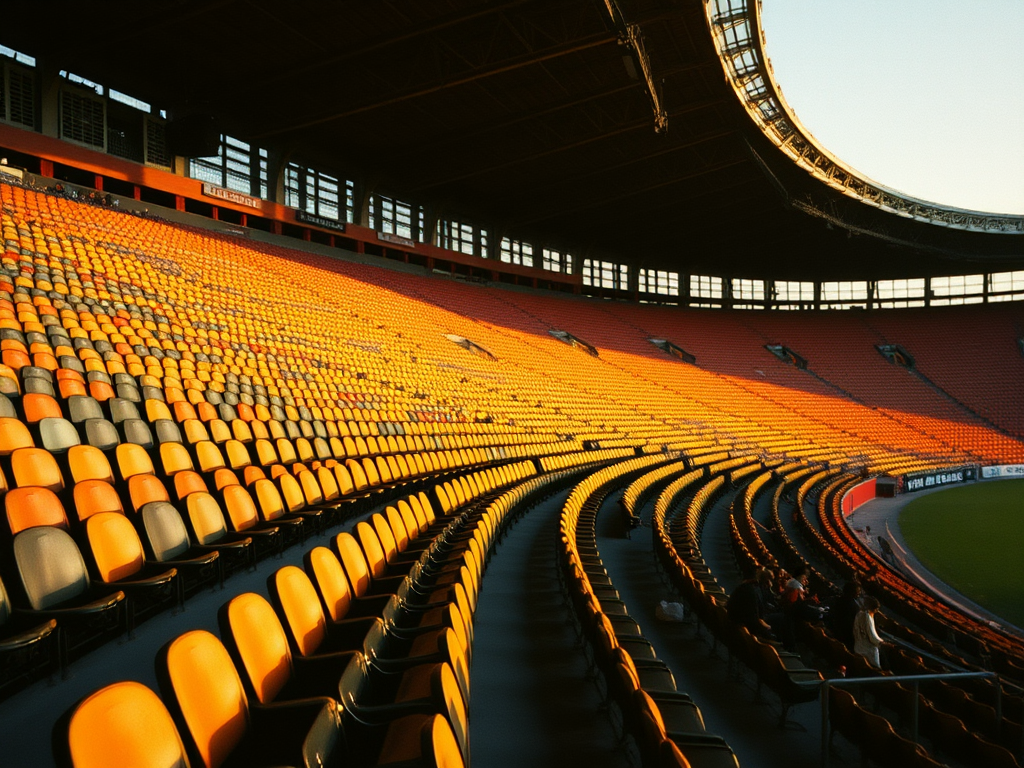
During the match, there are specific rituals that fans adhere to as well. Waving scarves and clapping at certain moments in the game are just a few examples. Especially in critical situations, the stadium erupts, and fans synchronize their reactions as if they were one living entity. This creates an unparalleled atmosphere that emotionally captivates both players and spectators.
The rivalries that develop among different fan groups also contribute to the fan culture. This derby atmosphere, particularly in matches against arch-rivals, is characterized by passion and intensity. Fans use their creative abilities to create banners, flags, and choreographies that showcase their support in impressive ways. These artworks are not only expressions of fan love but also a way to demonstrate their identity and pride in their city or region.
Another significant aspect of German fan culture is the role of the ultras. These groups are often the driving forces behind the atmosphere in the stadium, leading the chants and energizing the crowd. Their commitment to their team and their creative methods of showing support are a vital part of fan culture, helping to make matches unforgettable experiences.
In conclusion, the unwritten rituals of German fan culture play a crucial role in the atmosphere surrounding football. As fans prepare for the 2026 World Cup, the return to these traditions will not only strengthen support for Die Mannschaft but also foster community and solidarity among supporters.