July 4, 1954, will go down in the annals of German football, and not just because of the sporting success. Germany defeated Hungary in the final with a score of 3-2, a team that was considered the best in the world and had previously beaten the Germans 8-3 in the tournament. However, the backgrounds of this match are as fascinating as the victory itself.
After World War II, Germany was undergoing a profound societal and economic transformation. Football was a way to regain national pride and identity. Coach Sepp Herberger's team was a mix of experienced players and young talents who brought a new spirit to German football.
Another aspect that made this victory legendary was how the team held together despite setbacks. After an early deficit against Hungary, caused by a goal from Ferenc Puskás, Germany showed remarkable resilience. Goals from Max Morlock and Helmut Rahn in the second half not only turned the game around but also embodied the unwavering will of the team.
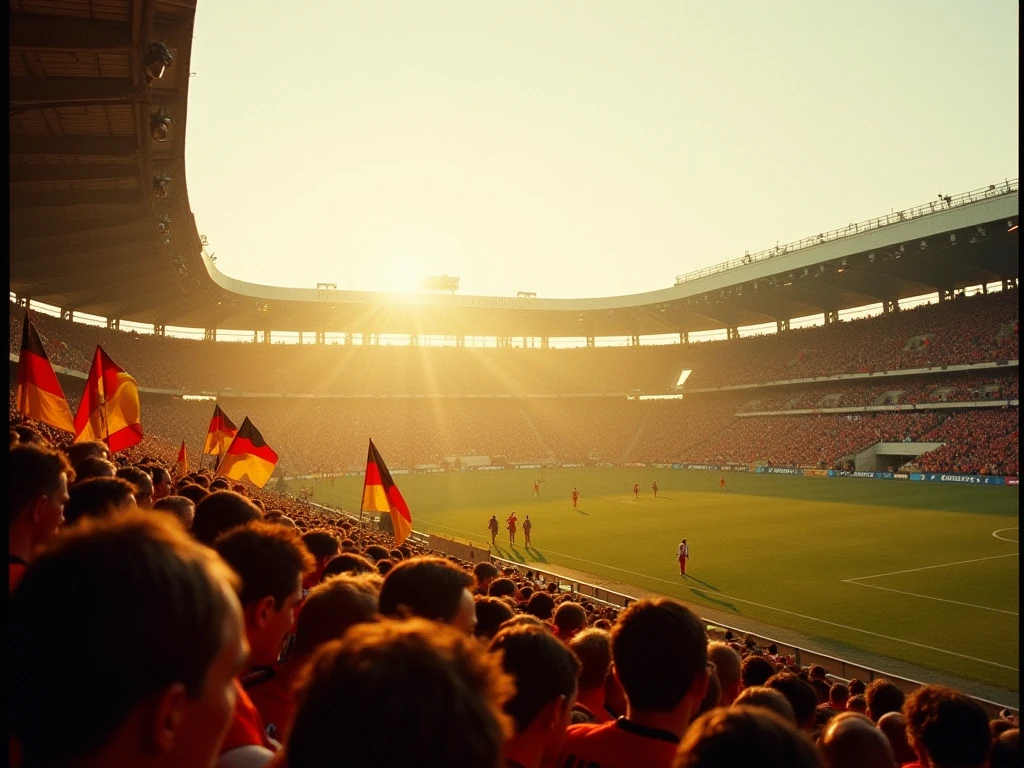
Outside the pitch, the victory had far-reaching effects on German society. In a country grappling with its past and needing to redefine itself, football became a symbol of hope and reconstruction. The excitement after the final was overwhelming, with streets filled with cheering fans who felt part of something greater.
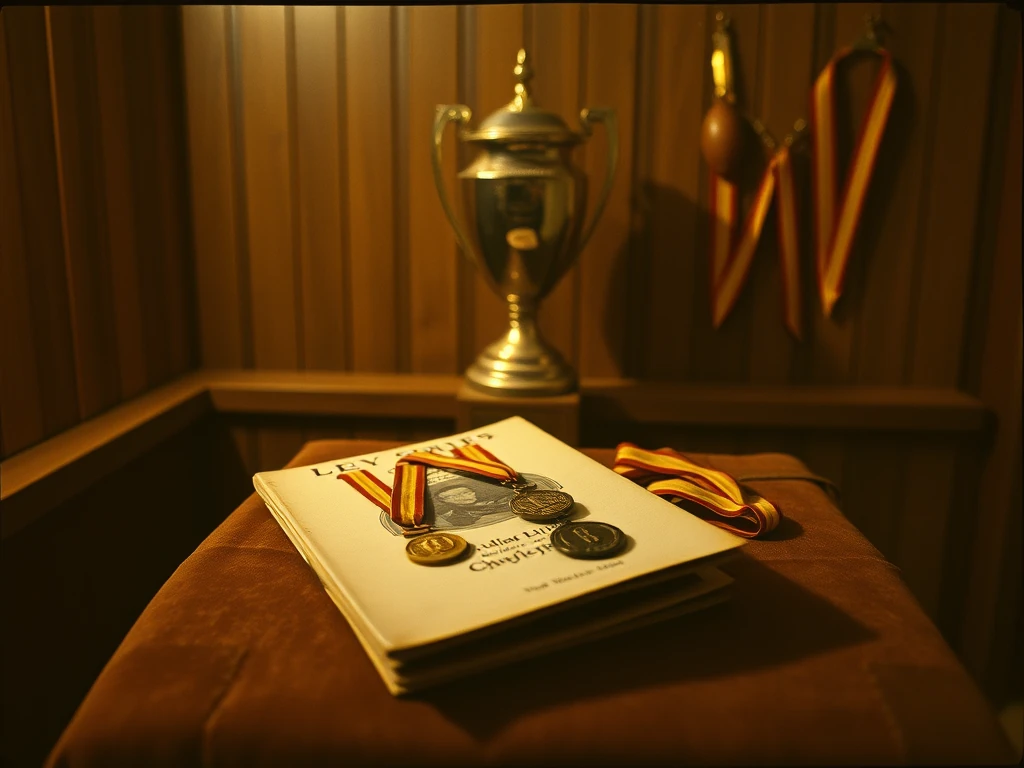
The 1954 victory became not only a springboard for future successes but also a cornerstone of modern German football culture. It laid the foundation for a system that nurtures talent and cultivates strong team dynamics. The 1954 World Cup remains a shining example of how sports can influence and transform society.