The 1990 World Cup in Italy became a historical turning point for Die Mannschaft, encompassing both sporting success and societal changes. In a tournament marked by intense matches and emotional moments, Germany managed to secure its third title. However, this success was not merely the result of talent and tactics but also a reflection of a nation in transition.
The political landscape of Germany had dramatically shifted in the years leading up to the tournament-the Wall fell, and reunification loomed on the horizon. These changes also influenced football culture. Players from the former East Germany, who had been trained in a vastly different system, found their way into the national team. They brought new perspectives and skills that enriched the squad while also posing the challenges of a unified football nation.
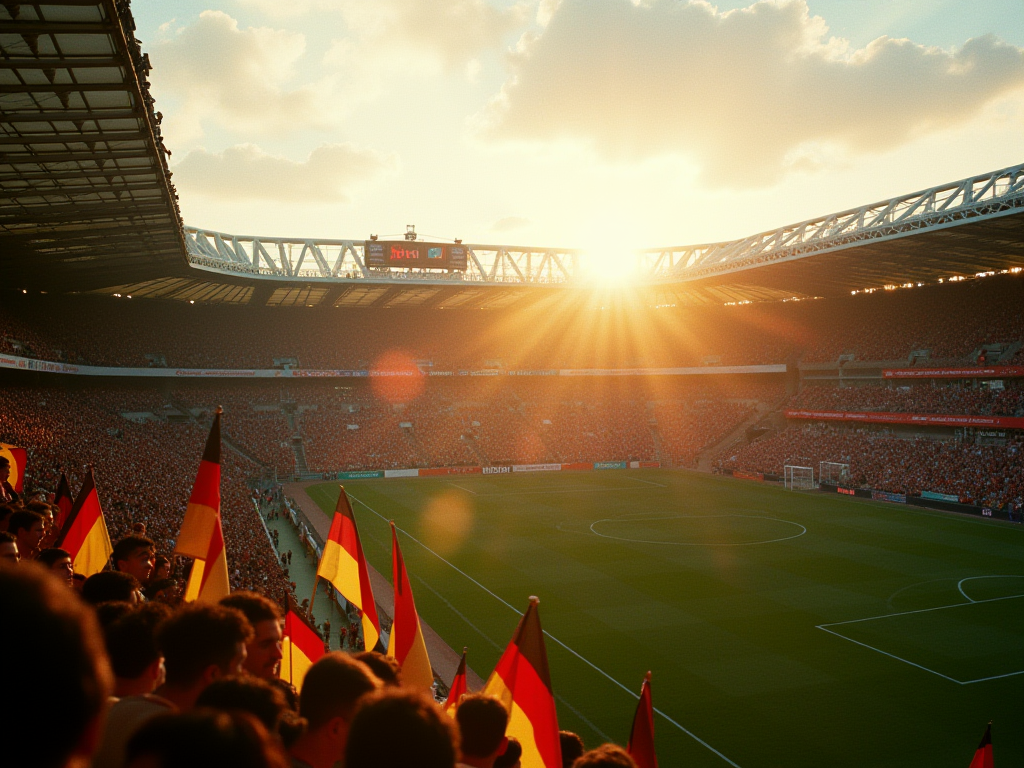
In the final against Argentina, held at the legendary Stadio Olimpico in Rome, Die Mannschaft displayed impressive football, embodying both the tactical discipline and fighting spirit for which they were known. Andreas Brehme's decisive penalty remains not only a memorable goal but also a symbol of the team's determination and grit.
This victory was viewed by many as the last great triumph of an era that laid the foundation for the future development of German football. After 1990, a phase began where the training of young talents and the integration of players from diverse backgrounds took center stage. The success formula of 1990 became a blueprint for the years to come, during which Germany gained prominence not only in football but also on political and societal levels.
However, the shadows of this success should not be overlooked. The high expectations and pressure resting on the players led to challenges in the following years, both on and off the pitch. Die Mannschaft had to learn how to cope with this pressure and adapt to the changing landscape of international football.
The road ahead was not always smooth, but the lessons learned from 1990 remain relevant to this day. Die Mannschaft has continually evolved, integrating experiences from the past into its future challenges, making German football one of the most successful in the world. This historical period lays the groundwork for the plans for the FIFA World Cup 2026, where Die Mannschaft aims to showcase once again that they can shine not only on the pitch but also off it.